
Pearl Size Guide: What Size Pearl Should You Choose?
For most people, a 7–8mm freshwater pearl is the sweet spot: large enough to be clearly visible and lustrous, small enough to wear every day without feeling dressy. But the right size depends on where you'll wear it — the size that flatters a stud earring is not the same size that anchors a pendant. This guide breaks down pearl sizes in millimeters, with real-world comparisons, so you can order with confidence.
How pearl size is measured
Pearl size is the diameter of the pearl in millimeters, measured perpendicular to the drill hole. Round freshwater pearls most commonly fall between 4mm and 12mm. A one-millimeter difference sounds trivial on paper, but on the ear or neckline it's noticeable — an 8mm pearl has roughly double the visual presence of a 6mm pearl because volume grows much faster than diameter.
Pearl size chart: what each millimeter looks like
Use everyday objects to picture each size before you buy:
- 4–5mm — about the size of a peppercorn. Dainty and subtle; ideal for second piercings, children's jewelry, and minimalist stacking.
- 6–7mm — close to a pencil eraser. The classic "first pearl" size: understated for work, office-appropriate, easy to wear daily.
- 7–8mm — the most popular size for studs and strands. Clearly visible across a room without reading as formal.
- 8–9mm — about the width of a standard pea. Noticeably more presence; a common choice for bridal jewelry and gifts meant to feel substantial.
- 10mm and up — statement territory. Larger freshwater pearls in fine round shapes are rarer, which is why price climbs quickly at this end.
What size pearl earrings should you buy?
For everyday pearl studs, 6–8mm suits most ear sizes and wardrobes. Smaller than 6mm reads delicate and modern; larger than 8mm reads polished and formal. If you're between sizes, consider your frame and hairstyle: pearls sit closer to the face than a necklace does, so a size that looks modest in your palm can feel prominent on the ear. Drop and dangle styles can carry a slightly larger pearl than studs, because the metalwork balances the proportions. Browse our freshwater pearl earrings — every pair is set in 925 sterling silver with hypoallergenic, nickel-free posts, so sizing is the only decision you need to make.
What size pearls for a necklace?
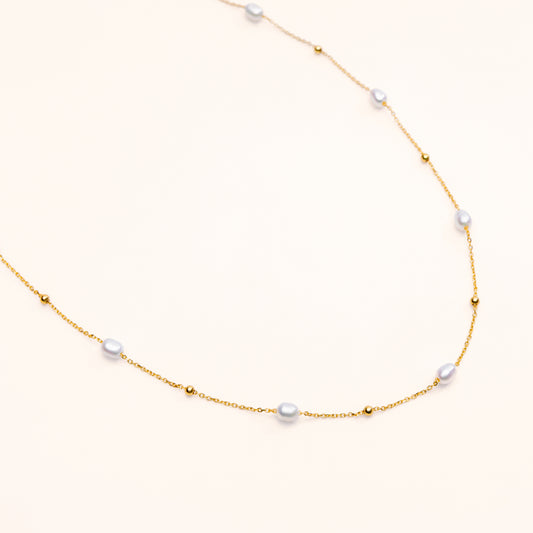
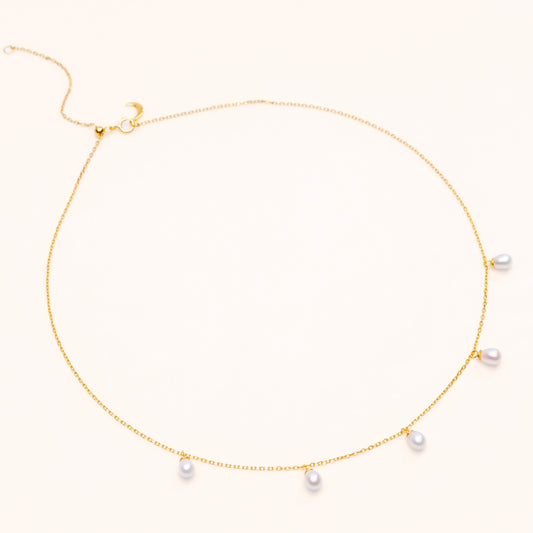
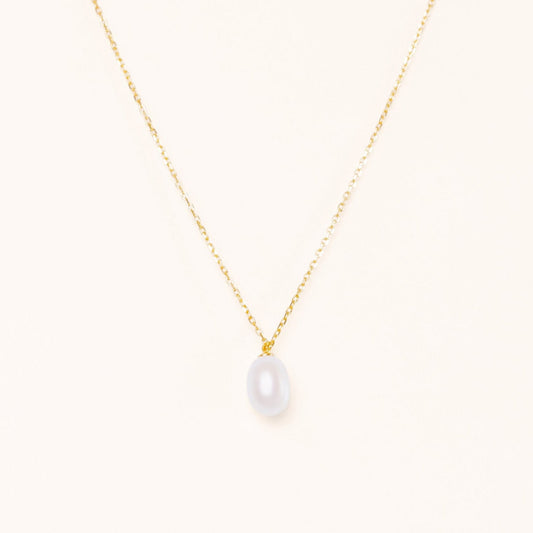
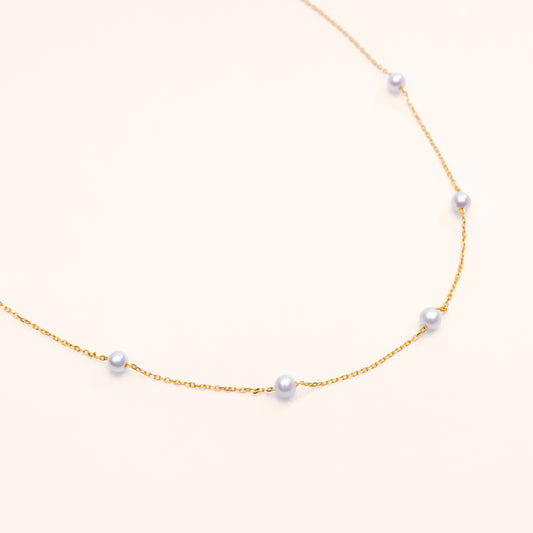
A classic strand looks most traditional in uniform 7–9mm pearls, while a single-pearl pendant can go a size up or down depending on the effect you want: 6–7mm for a whisper of luster at the collarbone, 8–9mm for a focal point. Multi-pearl styles — cascades, stations, layered chains — usually use smaller pearls (4–7mm) so the overall piece stays light and fluid.

Size and length work together: a longer chain naturally carries a larger pearl. If you're still deciding between a 16-inch and 18-inch chain, our pearl necklace length guide covers that half of the decision. Then compare styles side by side in our pearl necklace collection.
Does pearl size affect price?
Yes — size is one of the biggest drivers of pearl price, alongside luster, surface quality, and shape. Because large, round, clean freshwater pearls are harder to harvest, price rises steeply above 9mm rather than in a straight line. The good news for buyers: freshwater pearls deliver far more size per dollar than saltwater varieties, which is why a well-made 8mm freshwater piece is attainable where the saltwater equivalent is not. Much of our freshwater pearl collection — including plenty of pieces under $100 — sits in that versatile 6–9mm range.
Do bigger pearls suit older wearers? (A myth, debunked)
There's an old idea that small pearls are for young women and large pearls are for older women. Ignore it. Choose size by proportion and occasion instead: petite frames and minimalist wardrobes tend to favor 5–7mm; statement dressers and formal occasions favor 8mm and up. After 70 years working with pearls in Kobe, Japan, we've seen every size worn beautifully at every age.
Quick recommendations by occasion
If you want a shortcut: choose 6–7mm for everyday and office wear, 7–8mm for a versatile first pearl or a gift you can't go wrong with, 8–9mm for weddings and milestone gifts, and mixed small sizes (4–7mm) for layered, modern styling. Shape matters too — if you're weighing round against baroque, our freshwater pearl shape guide explains the trade-offs.
Frequently asked questions
What is the most popular pearl size?
The most popular pearl size is 7–8mm, both for stud earrings and classic necklaces. It's large enough to show clear luster and presence but small enough to wear daily with casual clothes, which makes it the standard recommendation for a first pearl purchase or a gift.
How are pearls measured?
Pearls are measured by their diameter in millimeters, taken perpendicular to the drill hole. Round freshwater pearls typically range from 4mm to 12mm. Because volume increases faster than diameter, even a 1mm difference is visible on the ear or neckline, so it's worth checking listed sizes before buying.
What size pearl studs are best for everyday wear?
For everyday pearl studs, 6–8mm works for most people. Pearls at 6–7mm read understated and office-appropriate, while 8mm adds noticeable polish. Smaller than 6mm suits minimalist styling and second piercings; larger than 8mm is better reserved for occasions where you want the earrings to be a focal point.
Are bigger pearls more valuable?
Generally yes, when other qualities are equal. Large round pearls with clean surfaces and strong luster are rarer, so price rises steeply above 9mm rather than proportionally. A small pearl with excellent luster can still be worth more than a larger dull one — size is one factor among several.
What size pearls should a bride wear?
Brides most often choose 7–9mm pearls: substantial enough to show in photographs, classic enough to complement rather than compete with a gown. Uniform strands and 8mm studs are traditional choices, while smaller cascade or layered styles suit modern, minimalist wedding looks. Match the pearl size to the formality of the dress.