
How to Travel With Pearl Jewelry: A Packing and Care Guide for Summer Trips
Share
Pearls travel well — better than most people expect — as long as you follow a few simple rules: keep them out of the pool, pack them in their own soft pouch, and put them on last after sunscreen and perfume. This guide covers exactly what to pack, how to pack it, and how to care for your pearls on the road so they come home looking the way they left.
Can you wear pearl jewelry to the beach or pool?
No — pearls should not go in chlorinated pools, hot tubs, or the ocean. A pearl's lustrous surface is made of nacre, an organic material that is softer than gemstones and vulnerable to chemicals. Chlorine can dull and pit nacre, and saltwater followed by a fresh-water rinse-and-scrub routine is abrasive over time. Sand is also harder than nacre, so a beach bag is a risky place for loose pearls.
The good news: wearing pearls near the water is completely fine. Pearls with a seafood dinner on the terrace, yes. Pearls in the infinity pool, no. If your holiday involves a lot of swimming, take your pearls off before you head down and put them back on for the evening — that rhythm quickly becomes automatic.
What jewelry to pack: a small travel capsule
The best travel jewelry wardrobe is three to five pieces that all work together, not a full jewelry box. A useful formula for a one- to two-week trip:
- Everyday earrings — a pair of pearl studs or small drops you can wear from breakfast through dinner without thinking about them.
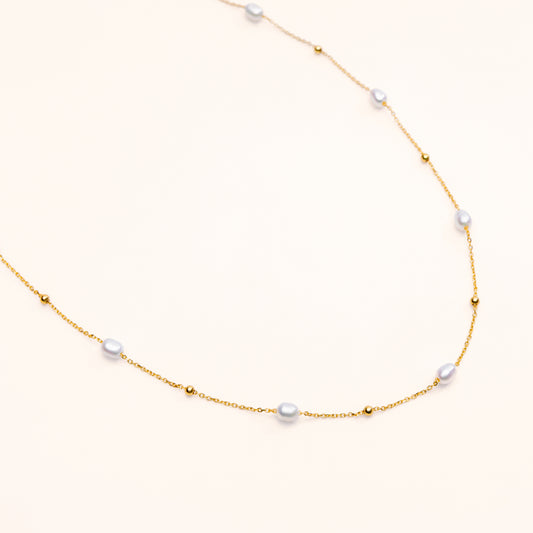
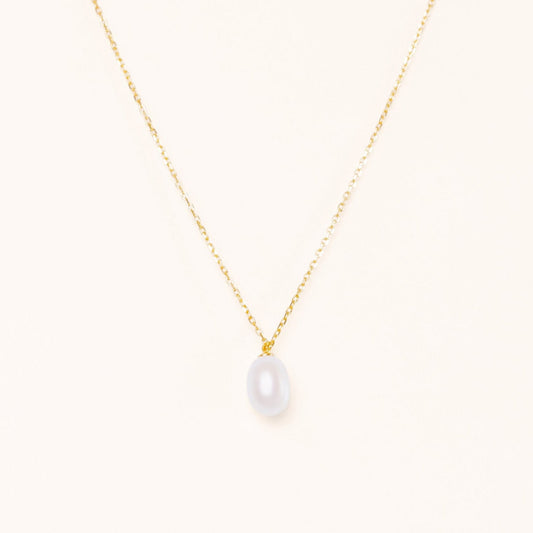
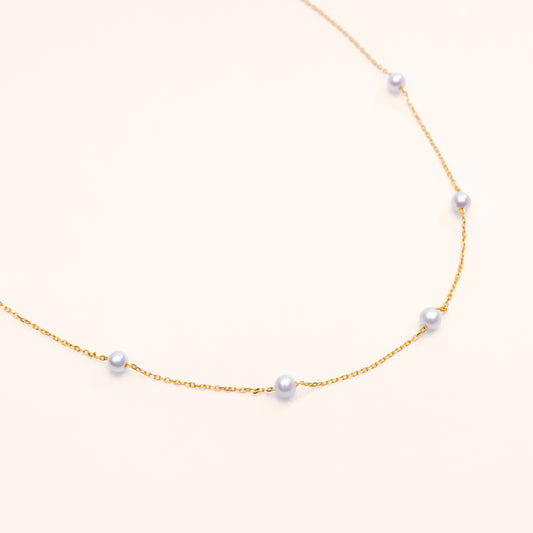
- One necklace — a single-pearl pendant or delicate station necklace from our freshwater pearl collection dresses up a linen dress or a plain T-shirt equally well.
- One bracelet — a simple pearl or bead bracelet that stacks with a watch.
- One "evening" piece — a statement earring or a color accent (a lab-grown sapphire or ruby pendant) for the nicest dinner of the trip.
If you're building this capsule from scratch, you don't need to spend much: our under-$100 collection covers all four slots, and we've written a full guide to a five-piece everyday capsule here. Because Pearl Luna pieces are 925 sterling silver with 18k gold plating — never brass — and hypoallergenic, they hold up to daily wear on a long trip and won't irritate skin in the heat.
How to pack pearls so they don't scratch
The single most important rule: pearls get their own pouch. Nacre is softer than metal chains, gemstones, and zipper pulls, so pearls tossed loose into a shared pouch will pick up fine scratches. In practice:
- One soft pouch per pearl piece. The fabric pouch your jewelry arrived in is ideal. In a pinch, wrap each piece in a soft cloth or even a folded cotton sock.
- Fasten necklace clasps before packing, then lay the chain flat or thread it through a drinking straw to prevent tangles.
- Use a small hard-sided case for the pouches so nothing gets crushed under a laptop or shoe.
- Always carry jewelry on — never check it. Checked bags get lost, tossed, and searched. A jewelry case takes up less room than a paperback.
Avoid airtight plastic bags for long-term storage: pearls contain trace moisture and prefer breathable fabric. For a weekend in a zip bag they'll be fine; for the trip home, back in the pouch.
Sunscreen, perfume, and heat: the "last on, first off" rule
Put pearls on last, after sunscreen, moisturizer, perfume, and hairspray have dried — and take them off first at the end of the day. Cosmetics are the most common cause of dulled pearls on vacation, more than water. Sunscreen in particular leaves a film that builds up on nacre.
Heat itself won't hurt your pearls in normal conditions, but don't leave them baking on a car dashboard or windowsill; prolonged intense heat can dry nacre. A drawer or pouch in the shade of your room is all they need.
After the trip: a 30-second reset
When you unpack, wipe each pearl piece with a soft, slightly damp cloth to remove sunscreen residue, salt air, and skin oils, then let it air-dry before it goes back in its pouch. That's it — no soaps, no ultrasonic cleaners, no jewelry dips, which are formulated for hard gemstones and can strip nacre. For the full routine, see our guide to caring for freshwater pearl jewelry.
Pearls actually benefit from being worn — the light contact with skin keeps nacre from drying out. So the best travel advice is also the simplest: wear them often, swim without them, and wipe them down when you get home. After 70 years of working with pearls in Kobe, Japan, we can tell you the pearls that age best are the ones that get worn the most.
Frequently asked questions
Can pearls get wet?
Brief contact with fresh water — rain, hand-washing splashes — won't harm pearls. What damages them is chlorine, saltwater, soaps, and prolonged soaking, which can dull or pit the nacre and weaken silk threading on strands. Take pearls off before swimming or showering, and wipe them dry if they do get splashed.
Should I pack jewelry in carry-on or checked luggage?
Always in your carry-on. Checked bags can be delayed, lost, or roughly handled, and jewelry is a common target in searched luggage. A small hard-sided case with individual soft pouches protects each piece and fits easily in a personal item, so your jewelry stays with you the entire journey.
Does sunscreen damage pearl jewelry?
Yes, over time. Sunscreen, perfume, and hairspray leave films that build up on nacre and dull its luster. Apply all cosmetics first, let them dry, and put pearls on last. At the end of each day, remove pearls first and give them a quick wipe with a soft cloth.
How do I clean pearls after a beach vacation?
Wipe each piece with a soft cloth dampened with plain water, then let it air-dry completely before storing it in a breathable fabric pouch. Skip jewelry dips, ultrasonic cleaners, and any cleaner made for hard gemstones — these are too harsh for nacre and can permanently strip its luster.
Is gold-plated jewelry okay for travel?
Quality plating travels well. Pearl Luna pieces are 18k gold plating over 925 sterling silver — never brass — so they resist tarnish and won't irritate sensitive skin in the heat. The same rules apply as for pearls: keep pieces out of chlorine and saltwater, and store them in separate pouches.