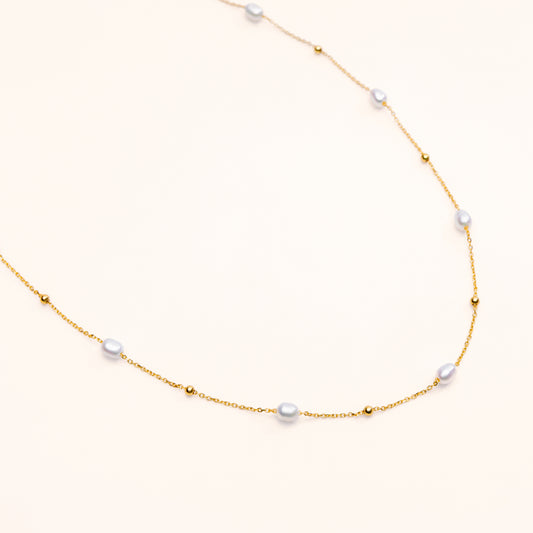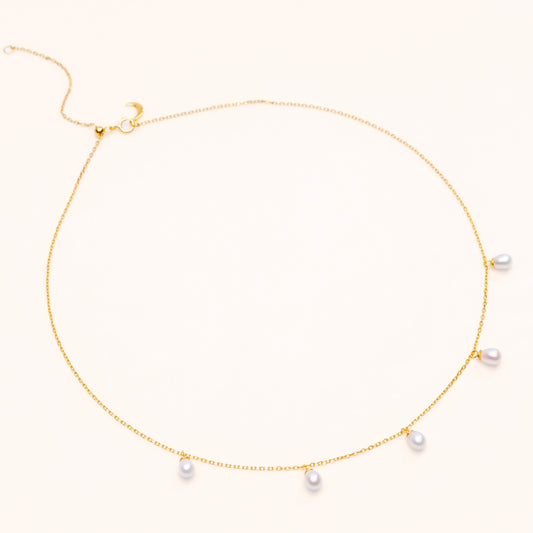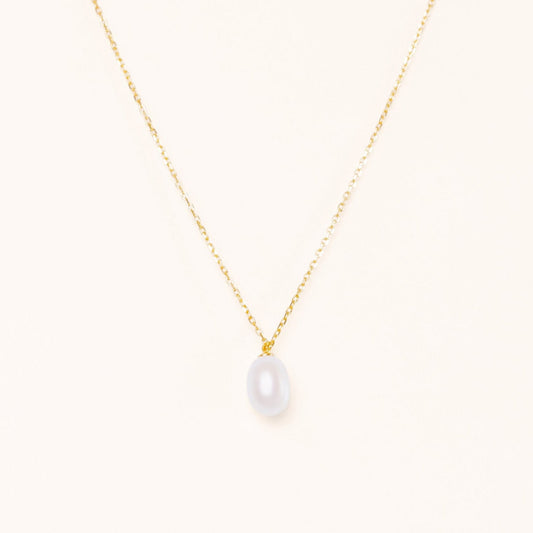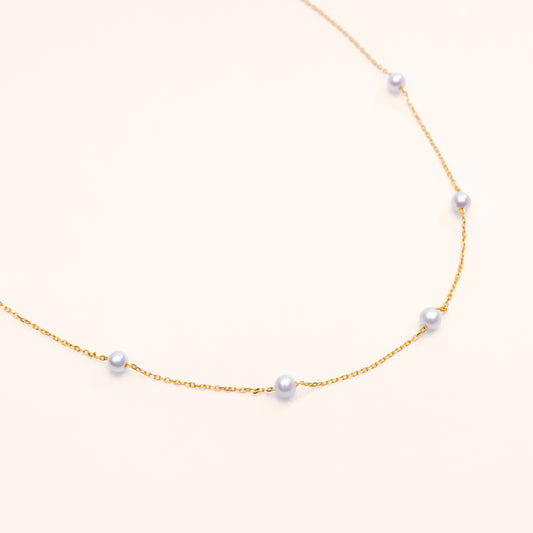

Is Gold-Plated Jewelry Worth It? 18k Gold Plating, Explained
Gold-plated jewelry is worth buying when the base metal is sterling silver and the plating meets US FTC standards — and it's worth skipping when the base is brass or a mystery alloy. The plating itself is real gold either way; what separates a piece that lasts for years from one that turns your skin green is almost entirely what sits underneath it. Here's how to judge any gold-plated piece before you buy, and how to make yours last.
What does 18k gold-plated actually mean?
Gold-plated jewelry is a piece made of a base metal covered with a bonded layer of real gold — in our case, 18k gold over 925 sterling silver. The karat number describes the purity of that gold layer: 18k is 75% pure gold, which gives a warmer, richer color than the paler 14k and better durability than soft 24k. The gold is real; it is simply a layer rather than the whole piece.
That layer is why two gold-plated pieces at the same price can age completely differently. Plating standards in the United States are set by the FTC, which regulates how thick a gold layer must be before a seller can call a piece "gold-plated" at all. Reputable makers meet or exceed those standards; fast-fashion pieces often use a wash of gold so thin it wears through in weeks.
The base metal matters more than the gold
The base metal underneath the gold is the single best predictor of how plated jewelry will treat your skin. Sterling silver (925) is itself a precious metal — hypoallergenic when nickel-free, stable, and pleasant against skin even if the gold layer eventually thins with years of wear. Brass, by contrast, contains copper that oxidizes with sweat and humidity; when the plating wears at pressure points, brass is what causes the familiar green mark on fingers and necks.
This is why "gold-plated" alone tells you very little. Ask what's underneath. Every Pearl Luna piece uses 925 sterling silver as the base — never brass — with nickel-free, hypoallergenic finishes, whether it's a freshwater pearl pendant or a pair of everyday earrings. If a listing won't name its base metal, assume it's brass.
Gold-plated vs. vermeil vs. gold-filled vs. solid gold
These four terms describe the same idea — gold on the outside — at different thicknesses and prices.
Gold-plated
A regulated layer of gold electroplated onto a base metal. Quality varies enormously with the base metal and plating thickness. Over sterling silver with FTC-compliant plating, it's the best value in fine-looking jewelry; over brass, it's costume jewelry with a short lifespan.
Vermeil
Vermeil is a legally defined subcategory of gold-plated jewelry: sterling silver base with a gold layer at least 2.5 microns thick, per US FTC rules. If you've been told to "only buy vermeil," the real advice hiding inside that rule is only buy plating over sterling silver — which is the standard we build to.
Gold-filled
A thicker mechanical bond of gold sheet over base metal (usually brass). More gold than plating, but the brass core remains, and the category offers limited design variety because the material is harder to work.
Solid gold
Gold throughout. It never wears through — and it costs 10–20x more for the same design. For heirlooms and daily-worn wedding bands, solid gold earns its price. For building a versatile collection of necklaces, earrings, and stacking pieces, plated sterling silver lets you own five styles for the price of one clasp in solid gold. Most of our collection sits under $100 for exactly this reason.
How long does 18k gold plating last?
Quality gold plating over sterling silver typically lasts two to five years of regular wear, and often much longer with basic care. The variables are friction and chemistry: rings and bracelets endure more rubbing than necklaces and earrings, and exposure to sweat, perfume, chlorine, and cleaning products accelerates wear on any plated piece.
Three habits do most of the work of preserving it:
Last on, first off. Put jewelry on after lotion, perfume, and hairspray have dried, and take it off before showering, swimming, or sleeping.
Wipe after wearing. A quick pass with a soft, dry cloth removes the day's oils and salt before they sit on the finish overnight.
Store it dry and separate. A pouch or lined box keeps plated pieces from rubbing against harder metals and slows tarnish on the silver beneath. The same routine protects pearls — our full guide to caring for freshwater pearl jewelry covers both in detail.
How to spot quality before you buy
You can judge most gold-plated jewelry from its listing. Look for a named base metal (925 sterling silver, ideally stamped), a stated karat for the plating, an explicit nickel-free or hypoallergenic claim, and a maker willing to describe its materials precisely rather than hiding behind "gold-tone" or "gold-color." A returns window matters too — a seller confident in its plating will take the piece back; we offer 30-day returns and free shipping on every order for that reason.
The same skepticism applies to the stones a piece carries. If you're evaluating pearl jewelry alongside the metal, our guide to telling real pearls from imitation pairs well with this one.

So — is it worth it?
For everyday jewelry you want to look like fine gold without fine-gold prices, 18k gold plating over sterling silver is the sweet spot: real gold color, a precious-metal base that's kind to skin, and prices that make a full necklace-and-earring rotation realistic. After 70 years working with pearls in Kobe, Japan, our view is simple: the materials list is the product. Read it before the price tag.
Frequently asked questions
Does gold-plated jewelry tarnish?
The gold layer itself doesn't tarnish, but the metal beneath can. Over brass, wear-through shows quickly and can discolor skin. Over sterling silver, any exposed silver develops a slow, polishable patina instead. Keeping plated jewelry dry, away from perfume and chlorine, and stored in a pouch dramatically slows both processes.
Can you wear gold-plated jewelry every day?
Yes, if the base is sterling silver and you build small habits around it: put pieces on after cosmetics dry, remove them before showering and sleeping, and wipe them with a soft cloth after wear. Earrings and necklaces handle daily wear best because they experience less friction than rings and bracelets.
Is gold-plated sterling silver hypoallergenic?
Generally yes, provided the piece is nickel-free. Most metal allergies react to nickel, which is common in brass-based costume jewelry. A nickel-free piece with a 925 sterling silver base and 18k gold plating — the construction used in all Pearl Luna jewelry — is safe for most sensitive skin.
What's the difference between vermeil and gold-plated?
Vermeil is gold-plated jewelry that meets two specific US FTC requirements: the base must be sterling silver and the gold layer at least 2.5 microns thick. All vermeil is gold-plated, but not all gold-plated jewelry qualifies as vermeil — pieces plated over brass never do, regardless of thickness.
Is gold-plated jewelry real gold?
Yes — the plating is real gold, just applied as a layer over another metal. An 18k gold-plated piece carries a layer of 75%-pure gold. What varies is the thickness of that layer and the quality of the base metal beneath it, which together determine how the piece looks and lasts over years.