
July Birthstone Guide: How to Choose Lab-Grown Ruby Jewelry
Ruby is July's birthstone — and thanks to lab-grown gemstones, a real ruby no longer has to cost a month's rent. If you're shopping for a July birthday, an anniversary (ruby marks the 15th and 40th), or simply for yourself, this guide covers what a lab-grown ruby actually is, what to look for when buying, and how to wear one so it earns a place in your everyday rotation.
Is a lab-grown ruby a real ruby?
Yes. A lab-grown ruby is chemically, physically, and optically identical to a mined ruby: both are corundum (aluminum oxide) colored red by trace chromium, and both measure 9 on the Mohs hardness scale — harder than any gemstone except diamond. The only difference is origin: one crystallized underground over millions of years, the other in a controlled lab over weeks. A gemologist needs specialized equipment to tell them apart.
That origin difference is what changes the price. Fine mined rubies are among the most expensive colored stones per carat in the world. Lab-grown rubies deliver the same saturated red at a small fraction of the cost, with none of the mining footprint. We covered the broader category in our guide to lab-grown ruby, sapphire, and emerald if you want the full picture.
What to look for when buying ruby jewelry
Color comes first
With rubies, color matters more than size. Look for a rich, saturated red — deep enough to read clearly as ruby, bright enough to catch light. One advantage of lab-grown stones is consistency: because growing conditions are controlled, the color is even throughout, without the muddy zones or heavy inclusions common in affordable mined material.
Check the metal, not just the stone
An inexpensive ruby set in brass will tarnish, turn skin green, and often irritate sensitive ears. Look for solid 925 sterling silver, plated or unplated. Every ruby piece at Pearl Luna is sterling silver with 18k gold plating applied to US FTC standards — hypoallergenic and nickel-free, so it's safe for sensitive skin.
Match the setting to how you'll wear it
Ruby is hard enough for daily wear, so the real question is visibility. Ruby earrings sit near the face and light it up — the most flattering choice for a first ruby. A ruby necklace makes the stone the focal point, especially against a simple neckline. A ruby ring or bracelet reads more casual and works well stacked with plainer pieces.
Set a sane budget
Because lab-grown rubies remove the rarity premium, you shouldn't need to spend hundreds for real corundum in real silver. Most of our ruby collection — and much of the store — sits in the under $100 range, with free shipping and 30-day returns.
How to style ruby jewelry
Ruby's saturated red is a natural accent color: it does its best work against neutrals. A few pairings that consistently look intentional rather than flashy:
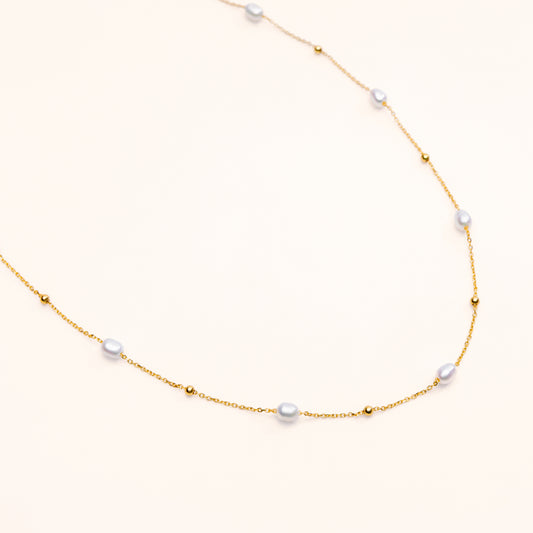
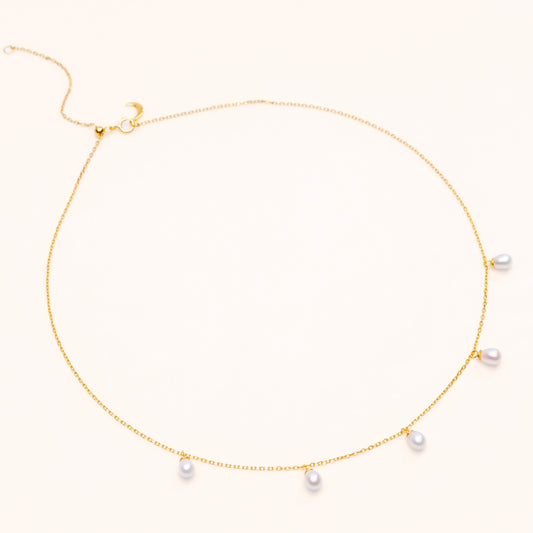
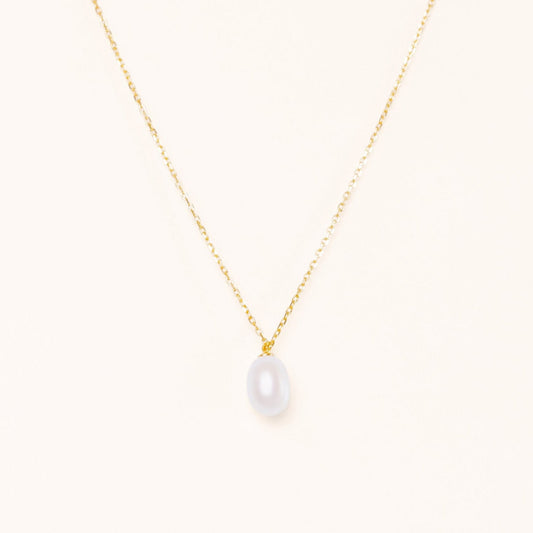
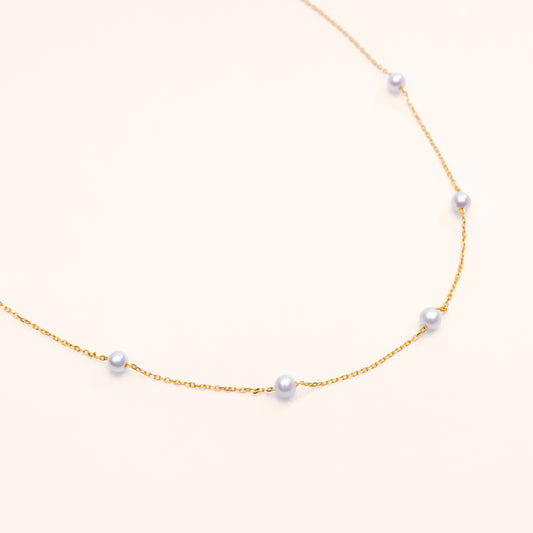
With pearls. This is the pairing we build much of our collection around — after 70 years working with pearls in Kobe, Japan, we think nothing flatters a ruby like a pearl's soft luster. The warm red against creamy white feels classic without feeling costume.

With gold and neutrals. Ruby reads warm, so it sits naturally with 18k gold tones and cream, camel, gray, or black clothing. One ruby piece plus simple gold jewelry is a complete look.
As the single point of color. If the rest of your jewelry is minimal, one ruby pendant or pair of studs becomes the deliberate focal point. Resist adding a second colored stone — one is a statement, three is a contest.
Caring for ruby jewelry
Rubies are low-maintenance: wipe them with a soft cloth after wear and wash occasionally with mild soap and lukewarm water. The metal needs more care than the stone — keep gold-plated silver away from perfume, sunscreen, and pools, and store pieces separately so harder stones don't scratch softer neighbors. If your ruby piece includes pearls, follow the gentler rules in our pearl care guide — pearls are far softer than corundum.
Frequently asked questions
What is the birthstone for July?
Ruby is the traditional and modern birthstone for July. It's the red variety of corundum, colored by trace chromium, and measures 9 on the Mohs hardness scale — second only to diamond. Ruby also marks 15th and 40th wedding anniversaries, making July an especially gift-friendly month for red stones.
Are lab-grown rubies worth anything?
Lab-grown rubies are real corundum with the same hardness, color, and brilliance as mined rubies, but they cost far less because they aren't rare. They're worth buying for beauty and durability rather than resale value — which is exactly how most people actually wear jewelry.
Can you wear ruby jewelry every day?
Yes. At 9 on the Mohs scale, ruby is one of the most durable gemstones and handles daily wear easily. The practical concern is the setting: choose sterling silver rather than brass, remove jewelry before swimming or applying sunscreen, and wipe pieces with a soft cloth after wear.
How can you tell a lab-grown ruby from a mined one?
You generally can't by eye — the two are chemically and optically identical, and even jewelers need lab equipment to distinguish them. Lab-grown stones often look cleaner, since controlled growth avoids the heavy inclusions common in affordable mined rubies. Sellers are required to disclose lab-grown origin, so check the product description.
What metal should ruby jewelry be set in?
Look for solid 925 sterling silver, either bare or with quality gold plating — it's hypoallergenic, durable, and won't discolor skin. Avoid brass and unmarked alloys, which tarnish and often contain nickel. All Pearl Luna ruby pieces use sterling silver with 18k gold plating and are nickel-free.