
Pearl Colors Explained: White, Pink, Lavender, and Black Freshwater Pearls
Freshwater pearls come in a narrower range of colors than most people expect: white, cream, soft pink or peach, and lavender occur naturally. Nearly everything else you see — black, peacock, chocolate, bright gold, blue — has been dyed or otherwise treated. Knowing which is which is the single most useful thing you can learn before buying pearls, because it tells you what you are paying for and how the piece will age.
Here is how pearl color actually works, and how to pick a shade you will still like in ten years.
Body color vs. overtone: the two-part system behind every pearl
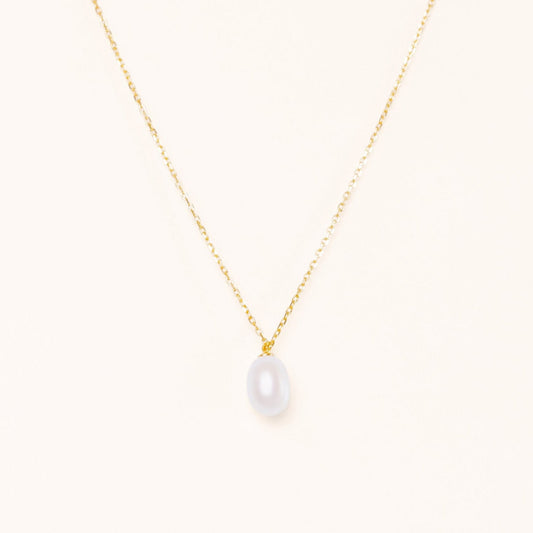
Every pearl has a body color and an overtone. The body color is the dominant shade you see from across the room — white, cream, pink, lavender. The overtone is the translucent wash of color that floats over the surface when light hits it, most often rosé (a warm pink shimmer), silver (a cool bluish sheen), or cream.
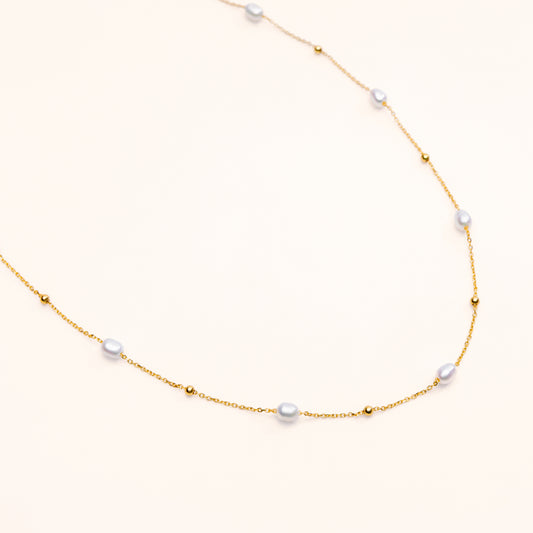
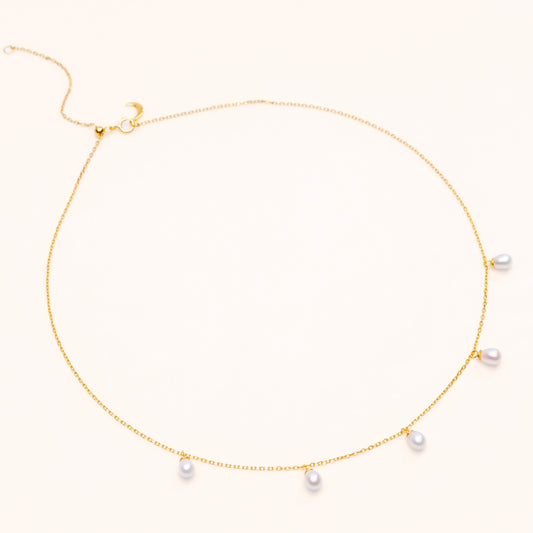
Two white pearls can look completely different because of overtone. A white pearl with a rosé overtone reads warm and flattering against most complexions. A white pearl with a silver overtone reads crisp and modern, and pairs beautifully with sterling silver. When a listing says "white," ask yourself which white — that detail matters more than the name on the tag.

Which freshwater pearl colors are natural?
Natural freshwater pearl colors are white, cream, soft pink or peach, and lavender. These shades come from the mussel itself — the color of the shell's inner nacre transfers to the pearl as it forms, layer by layer, over months or years. They are usually gentle and slightly uneven, which is part of their charm. A natural lavender pearl is a whisper of purple, not a grape.
Dyed and treated pearl colors, and why that is not a scandal
Black, peacock green, chocolate brown, deep gold, and vivid blue freshwater pearls are almost always dyed or irradiated. That is not inherently a problem — treated pearls are still real pearls, and dyeing is a long-established practice. The problem is only ever disclosure. A reputable seller will tell you plainly when color has been added. If a listing shows a dramatic black freshwater pearl at a low price and says nothing about treatment, that silence is your answer.
One useful distinction: naturally dark pearls do exist, but they are Tahitian pearls, grown in black-lipped oysters in saltwater, and they are priced accordingly. A naturally black freshwater pearl is not a normal thing to find at any price. If you want to go deeper on the differences between pearl types, our guide to the different types of pearls breaks them down.
How to choose a pearl color for your skin tone
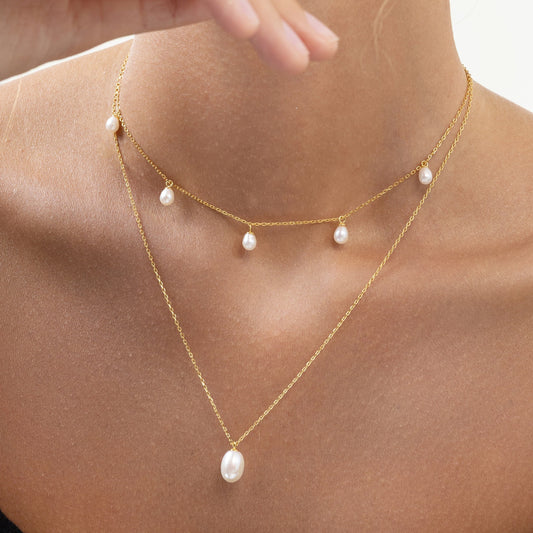
Match the pearl's overtone to your undertone, not to your complexion. If your veins look bluish and silver jewelry tends to look right on you, you have cool undertones, and pearls with silver or bluish overtones will look clean and intentional against your skin. If your veins look greenish and gold suits you, warm undertones favor pearls with rosé, cream, or peach overtones.
Neutral undertones — the majority of people, honestly — can wear either, which is why classic white with a soft rosé overtone is the most universally worn pearl color in the world. If you are buying a gift and cannot ask, that is the shade to choose.
Pairing pearl color with silver and gold
Cooler pearls sit best in sterling silver; warmer pearls sit best in gold. A white pearl with a silver overtone next to bright 18k gold plating can look slightly mismatched, while the same pearl in polished 925 sterling silver looks deliberate. Warm cream and peach pearls do the opposite — they glow against gold and can look dull against silver.
This is worth thinking about before you buy, because the metal is not something you can change later. If you are unsure which metal family suits you generally, our guide to choosing gold or silver for your skin tone is a good place to start. You can see how both look in our freshwater pearl jewelry collection.
Choosing pearl color by occasion
For weddings, work, and gifts, white or near-white is the safest and most flexible choice. It photographs cleanly, reads formal without effort, and never dates. Cream is the warmer alternative and looks especially good against ivory and champagne fabrics, where a bright white pearl can appear slightly stark by comparison.
Pink and peach pearls are lovely for everyday wear and for younger recipients — they are soft rather than serious. Lavender is the connoisseur's pick: unusual enough to be noticed, quiet enough to wear to the office. And dyed black or grey pearls, properly disclosed, are genuinely excellent in autumn and winter, where they hold their own against wool, camel, and charcoal.
If you are buying your first pair, start with white studs from our pearl earrings collection — they go with everything and cost far less than most people assume. Much of our range sits under $100.
What color has to do with quality
Color is a matter of taste; luster is a matter of quality. A pale, chalky pearl in a fashionable shade is a worse buy than a modest white pearl with deep, mirror-like shine. When you hold a good pearl up to a window, you should see a sharp reflection of the light source rather than a soft glow. Judge that first, then choose the color you love.
Every pearl we set is a real freshwater pearl, held in 925 sterling silver or 18k gold plating over sterling — never brass — which keeps the setting hypoallergenic and nickel-free, and keeps the plating honest by U.S. FTC standards. Seventy years of working with pearls in Kobe, Japan, taught us to buy for luster and let color follow. Shipping is free, and returns are open for 30 days if the shade is not right in person.
Frequently asked questions
What is the most popular pearl color?
White is by far the most popular pearl color, particularly white with a rosé overtone. It suits nearly every skin tone, works with both silver and gold settings, and reads appropriately formal for weddings and offices without looking costume-like. It is also the safest choice when buying a pearl gift for someone whose preferences you do not know.
Are black freshwater pearls real pearls?
Yes, black freshwater pearls are real pearls, but their color is almost always added through dyeing or irradiation rather than grown naturally. Naturally dark pearls are Tahitian pearls, which grow in saltwater black-lipped oysters and cost considerably more. Reputable sellers disclose color treatment openly, so look for that disclosure before buying.
Do pearls change color over time?
Pearls can yellow slightly over decades, usually because of contact with perfume, hairspray, sweat, and cosmetics rather than age itself. Dyed pearls may also fade with heavy sun exposure. Wiping pearls with a soft cloth after wearing and storing them away from direct light keeps their color stable for a very long time.
Which pearl color is best for a wedding?
White pearls suit bright white gowns, while cream pearls flatter ivory, champagne, and blush fabrics better. Hold the jewelry against the actual dress in daylight before deciding — a pearl that looks perfectly white on its own can read slightly grey or yellow next to a different shade of white.
Does pearl color affect the price?
Color affects price far less than luster, surface quality, and size do. Among freshwater pearls, unusual natural shades such as deep lavender can carry a modest premium, but a well-matched strand with excellent shine will always cost more than a dull pearl in a fashionable color. Buy shine first.