
September Birthstone Guide: How to Choose Lab-Grown Sapphire Jewelry
Sapphire is the birthstone for September, and it has one of the best stories in the gem world: a stone once reserved for royalty that you can now wear every day, thanks to lab-grown versions that are chemically identical to mined sapphires at a fraction of the price. If you're shopping for a September birthday — or simply love that deep, inky blue — this guide covers what to look for, what to skip, and how to style sapphire so it feels modern rather than formal.
Why sapphire is September's birthstone
Sapphire has marked September birthdays for centuries, and long before that it was the stone of kings and clergy — worn as a symbol of wisdom, loyalty, and calm. Its most famous modern moment is probably the blue sapphire engagement ring worn first by Princess Diana and now by the Princess of Wales. That royal association still shapes how people see the stone: classic, composed, and quietly confident. It's also the traditional gemstone for the 5th and 45th wedding anniversaries, which makes it a rare double-duty gift — birthstone and anniversary stone in one. (For the full year-by-year list, see our anniversary gemstone guide.)
Are lab-grown sapphires real sapphires?
Yes — lab-grown sapphires are real sapphires. They are corundum, the same crystal with the same chemical composition, hardness, and brilliance as mined sapphire; the only difference is that they grow in a controlled environment over weeks instead of underground over millennia. Gemologists need lab equipment to tell them apart. What you gain is a cleaner stone with better color consistency and a much lower price — and full traceability, with none of the environmental and labor concerns that can come with mining. We covered the science in more depth in our guide to lab-grown ruby, sapphire, and emerald.
One practical note: sapphire measures 9 on the Mohs hardness scale — harder than steel, second only to diamond among common gems. That makes it one of the few colored stones genuinely suited to everyday wear.

How to choose sapphire jewelry: a practical checklist
Check the setting metal first
The stone may be nearly indestructible, but the setting determines how the piece ages. Look for 925 sterling silver as the base — never brass, which can discolor skin — with 18k gold plating if you prefer a warm finish. Every sapphire piece at Pearl Luna is made this way, and it's hypoallergenic and nickel-free, which matters for earrings especially.
Decide between necklace and earrings by how it will be worn
A sapphire necklace is the safer gift: length is forgiving, and a small blue accent stone reads elegant with everything from a white shirt to a black dress. Sapphire earrings suit someone who already wears earrings daily — the flash of blue at the ear is subtle but distinctive, and studs in particular work from office to evening without a thought.
Small stone, good design beats big stone, poor design
With colored stones, a modest, well-cut sapphire set in a considered design looks far more expensive than a large stone in a clunky mount. This is where lab-grown pricing helps: because the stone itself costs less, more of the budget goes into the silverwork and finishing. Much of our sapphire collection comes in under $100 — a realistic budget for a birthstone gift that doesn't look like one.
Styling sapphire with pearls
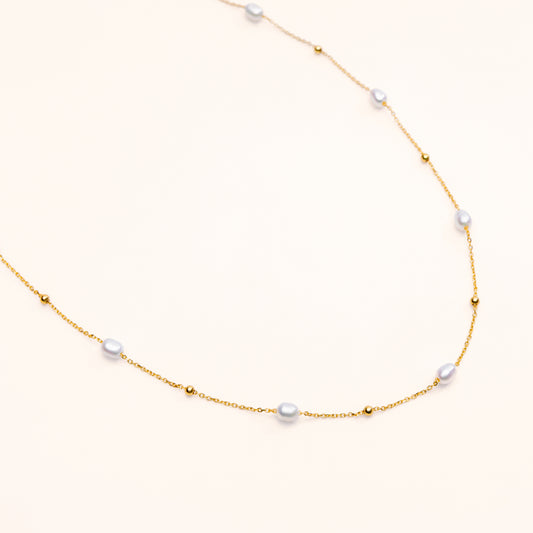
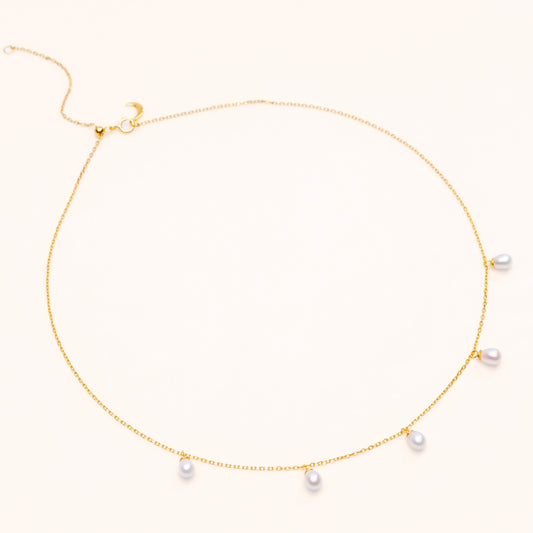
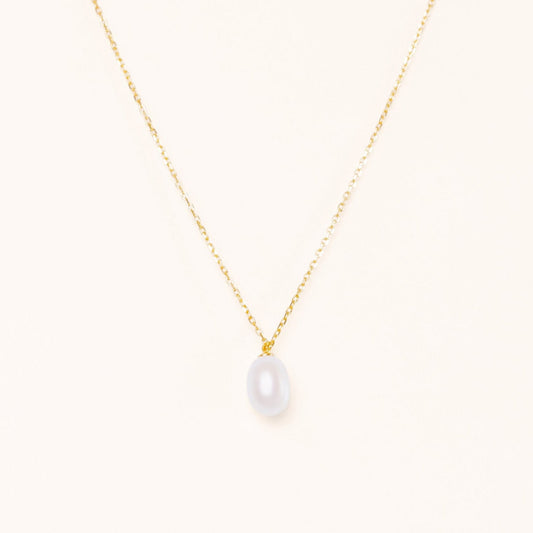
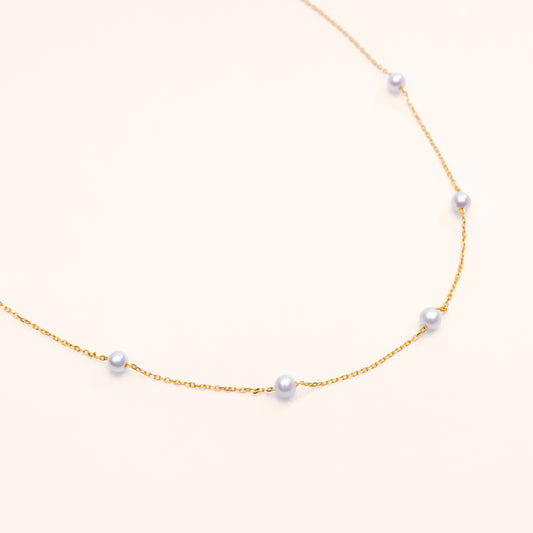
Blue sapphire and white freshwater pearls are a natural pair — the cool depth of the stone against the soft lustre of the pearl is a combination we return to constantly, drawing on 70 years of working with pearls in Kobe, Japan. If you're building an everyday rotation, try a pearl-and-sapphire pendant on its own for daytime, then add a plain pearl necklace alongside it for evenings. The pearl softens the sapphire; the sapphire sharpens the pearl. It's the easiest "put together" formula we know.
Gifting notes: birthdays, anniversaries, and the just-because
For a September birthday, pair the gift with its story — wisdom, loyalty, a stone once reserved for royalty — because the meaning lands as much as the piece itself. For a 5th anniversary, sapphire is the traditional stone, and a necklace she can wear daily will get far more life than something saved for occasions. And if you miss the date: free shipping and 30-day returns take most of the risk out of choosing at a distance. If the recipient's birthday falls in July instead, start with our lab-grown ruby guide.
Caring for sapphire jewelry
Sapphire itself needs almost nothing — warm water, a drop of mild soap, and a soft cloth. The care point is the plating: put jewelry on after perfume and sunscreen, wipe it with a soft cloth after wear, and store it in a dry pouch. Treated this way, an 18k gold-plated sterling piece keeps its finish for years.
Frequently asked questions
What is the birthstone for September?
Sapphire is the birthstone for September. Traditionally associated with wisdom, loyalty, and royalty, it is best known in deep blue, though sapphires occur in many colors. Sapphire is also the traditional gemstone for the 5th and 45th wedding anniversaries, making it a versatile stone to gift.
Are lab-grown sapphires worth anything?
Lab-grown sapphires are real corundum with the same hardness, color, and brilliance as mined sapphires, so they hold genuine value as jewelry. They cost significantly less than mined stones, which means the same budget buys a cleaner stone and better craftsmanship — a practical trade for everyday jewelry rather than investment pieces.
Can you wear sapphire jewelry every day?
Yes. Sapphire measures 9 on the Mohs hardness scale — second only to diamond — so the stone easily withstands daily wear. The practical care point is the setting: choose sterling silver rather than brass, keep plated pieces away from perfume and sunscreen, and wipe them with a soft cloth after wearing.
Do sapphires and pearls go together?
Sapphires and pearls pair beautifully. The cool, saturated blue of sapphire contrasts with the soft, warm lustre of freshwater pearls, so each makes the other look more refined. A pearl necklace with a single sapphire accent is an easy way to wear the combination without layering multiple pieces.
What does a sapphire birthstone symbolize?
Sapphire traditionally symbolizes wisdom, loyalty, sincerity, and calm. For centuries it was worn by royalty and clergy as a mark of trust and clear judgment. Gifting a sapphire birthstone carries that meaning — it suggests steadiness and devotion, which is also why sapphire marks the 5th and 45th anniversaries.