
Can You Sleep in Your Jewelry? What to Take Off at Night (and What Can Stay On)
Most fine jewelry should come off before bed. Small, flat stud earrings are the main exception; necklaces, bracelets, drop earrings, pearl pieces, and most rings last longer and feel better when they spend the night in a dish rather than on you. Below is a piece-by-piece guide, a two-minute bedtime routine, and the few cases where leaving something on is genuinely fine.
Why sleeping in jewelry causes problems
Sleeping in jewelry causes three kinds of trouble: mechanical stress, friction, and moisture. You turn over dozens of times a night, and every turn tugs on chains and clasps, presses earrings into the side of your head, and rubs metal against sheets. Add the warmth of bedding, overnight perspiration, and the night cream or hand lotion you put on before bed, and you have a slow, steady recipe for kinked chains, worn plating, and dulled pearls.
None of this ruins a piece in one night. It is the nightly repetition that does the damage, which is why a simple routine matters more than any single rule.
Can you sleep in necklaces? Take them off
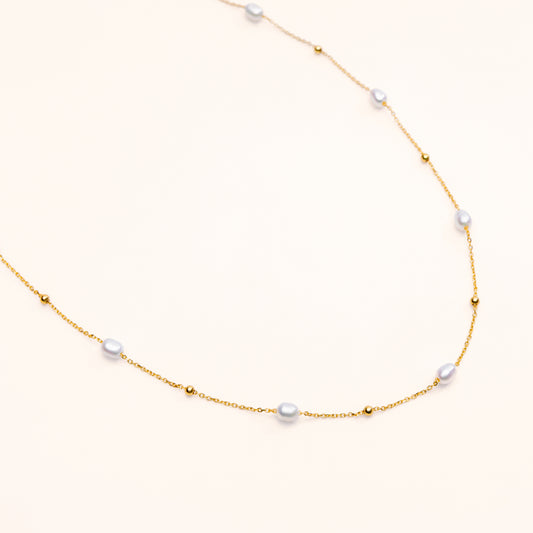
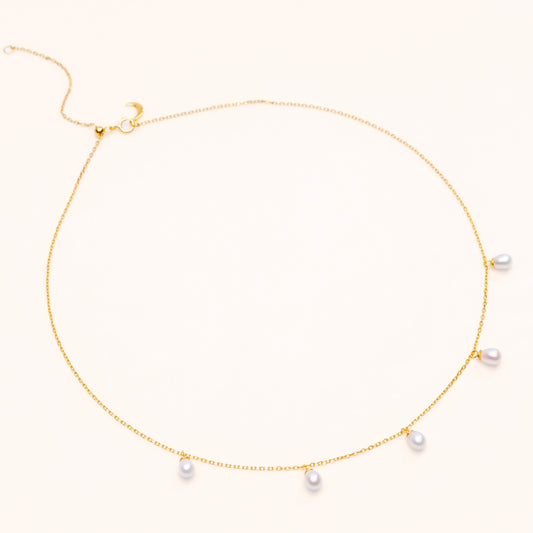
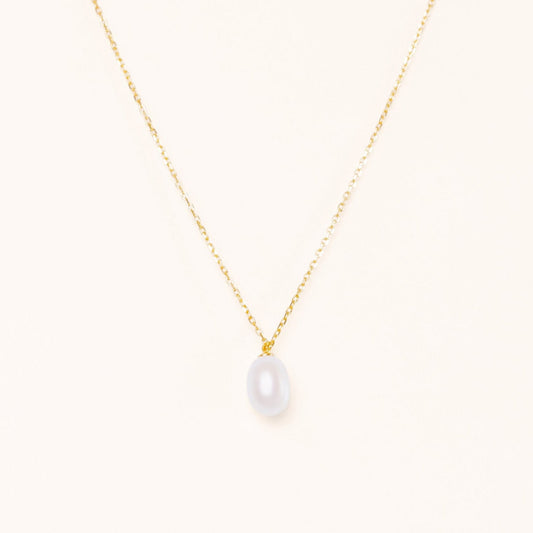
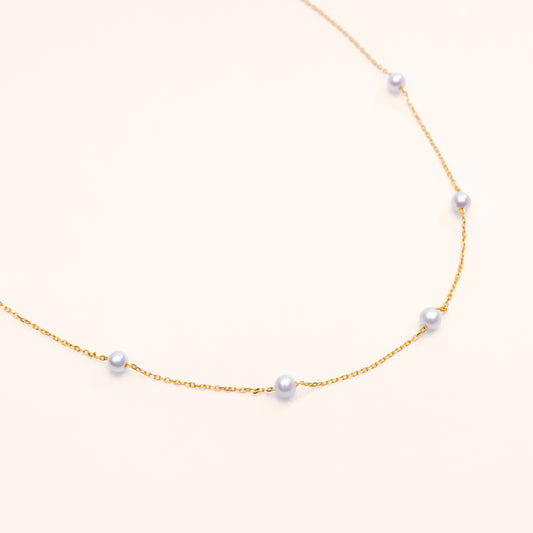
Necklaces should come off at night, because fine chains are the piece most likely to tangle, kink, or snap while you sleep. A pendant twisting against the pillow puts load on the jump ring and the clasp, and a knot that forms overnight can be hard to undo without stressing the links. Delicate cable and box chains are especially vulnerable.
Pearl necklaces are an even clearer case. Pearls are an organic gem with a soft nacre surface, and sustained contact with skin oils, perspiration, and face or body creams gradually dulls their luster. If you have ever needed to rescue a knotted chain, our guide to untangling a necklace without breaking it shows how, but prevention is easier: unclasp it, fasten it again, and lay it flat. Browse our necklaces and you will notice most are fine, everyday chains; they are made to be worn all day, not all night.
Can you sleep in earrings? Studs yes, drops no
Small, flat stud earrings are the one piece many people can sleep in comfortably, while drops, dangles, and hoops should always come off. Here is how to decide:
- Small pearl or gemstone studs: usually fine for occasional overnight wear if they sit flat and the backs are not digging in. If you wake up with tenderness behind the ear, take them out at night.
- Drop and dangle earrings: remove them. They can catch on hair, pillowcases, and blankets, which strains both the earring and your earlobe.
- Hoops: remove anything larger than a snug huggie. Larger hoops get pressed out of shape and can snag.
- New piercings: follow your piercer's aftercare advice, which usually means leaving the starter studs in until the piercing has healed.
Pressure from a stud's back against the skin behind the ear is a common source of overnight irritation. Our guide to earring backs explains which styles sit flatter. For daytime, our pearl earrings range from simple studs to statement drops, and the studs are the ones to reach for if you like to keep something in.

Can you sleep in bracelets and rings?
Bracelets should come off before bed; rings depend on the style. A bracelet sits right where your hand moves most in your sleep, so chains catch on sheets and clasps take repeated strain. Pearl bracelets also pick up hand cream and moisture. Lay them flat beside your necklaces.
For rings, a smooth, comfortable band is lower risk, but anything with a raised setting or prongs should come off, since it can snag fabric and loosen stones over time. Fingers can also swell overnight, especially after a salty meal, a warm room, or a long flight, so a ring that fits perfectly at noon may feel tight by morning. If your ring is ever hard to remove in the morning, make it a nightly habit to take it off. Our bracelets and stackable rings are designed for daily wear, and a nightly break is what keeps them looking that way.
What overnight wear does to sterling silver, gold plating, and pearls
925 sterling silver is a durable everyday metal, but sustained contact with perspiration and lotion speeds up tarnish. 18k gold plating over sterling silver wears through friction; the more hours a piece rubs against skin and fabric, the sooner the plating thins at high-contact points. Freshwater pearls are softer than gemstones and sensitive to oils, creams, and moisture, which slowly dull their glow. Lab-grown ruby, sapphire, emerald, and diamond are hard stones, but the settings that hold them are what take the strain.
Every Pearl Luna piece is made in 925 sterling silver, never brass, with 18k gold plating, real freshwater pearls, and lab-grown gems, and our materials are hypoallergenic and nickel-free. That makes them comfortable on skin, but no plated or pearl jewelry is designed to be worn around the clock.
A two-minute bedtime jewelry routine
- Take jewelry off last thing before bed, after lotion is absorbed. Your morning rule is the reverse: jewelry on last, after makeup, perfume, and hairspray.
- Wipe pearls and plated pieces with a soft, dry cloth. This removes the day's oils before they settle. Our pearl care guide covers deeper cleaning.
- Fasten every clasp. A closed chain is far less likely to knot.
- Lay pieces flat and separate in a lined dish or tray on your nightstand, with pearls kept away from harder stones and metal that could scratch them.
- Store longer term in a soft pouch or compartment. See our guide to storing jewelry so it doesn't tangle, tarnish, or scratch.
When it's fine to leave something on
Leaving a small, flat stud or a smooth band on for the night is low risk, and the occasional night you forget will not ruin anything. The pieces worth being strict about are fine chains, anything with pearls, drop or dangle earrings, and rings with raised settings. If you want jewelry you never have to think about at bedtime, the honest answer is a pair of simple studs; for everything else, the dish on the nightstand is the best thing you can do for it. Browse the full pearl jewelry collection for everyday pieces made to be worn often and cared for simply.
Frequently asked questions
Is it bad to sleep with earrings in?
Sleeping in small, flat stud earrings is generally fine for most people, but drops, dangles, and larger hoops should come off. They can catch on hair and bedding and strain the earlobe. If studs leave the skin behind your ear sore or irritated, remove them at night and let your ears rest.
Can you sleep in a pearl necklace?
No, it is best not to. Fine chains can tangle or snap as you turn over, and pearls are an organic gem whose nacre is dulled over time by skin oils, perspiration, and night creams. Take the necklace off, wipe the pearls with a soft dry cloth, fasten the clasp, and lay it flat overnight.
Does sleeping in gold-plated jewelry make it wear off faster?
Yes. Gold plating wears through friction, and overnight wear adds hours of rubbing against skin and fabric, plus moisture from perspiration and lotion. Removing plated pieces at night, keeping them away from creams and perfume, and wiping them with a soft cloth all help 18k gold plating keep its color for longer.
Should you take off your rings at night?
It is a good habit, especially for rings with raised settings or prongs, which can snag sheets and loosen stones. Fingers can also swell overnight, making a well-fitting ring feel tight by morning. A smooth, comfortable band is lower risk, but if it is ever hard to remove in the morning, take it off nightly.
Can I sleep in new earring studs after a piercing?
Usually yes, because the starter studs need to stay in while the piercing heals, and removing them too early can let the hole close. Follow your piercer's aftercare instructions on cleaning and when to change earrings. Once healed, treat your earrings like any others: studs can stay in occasionally, drops come out at night.